For those of you who have tried to trace their ancestors, you'll realise how much like a drug it is - when you've found something, you dare not let it go, for fear of losing the momentum. Each lead turns to another, and before you realise where you are, there are multiple strands of information, begging to be followed. Of course, 30 years ago, there was no Internet as such and the myriads of Genealogy sites and forums hadn't come of age. The Public Record Office at Kew, The Mitchell Library in Glasgow and my dear Uncle George Murdoch (now sadly passed away) were the keystones of my research. Nothing was instant...If you needed a copy of a document, you could order it by telephone, and some weeks later it would arrive - much like waiting for your holiday pictures to be developed.
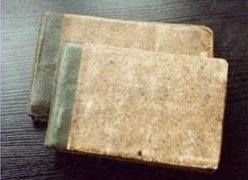 Fortunately for me - and with great insight from those who have gone before, the Murdoch Family decided to record their Pedigree in a small, hand-written volume. This Pedigree was maintained from 1605 until the end of the 19th Century, when it was printed and copies were distributed about. One of these copies found its way to the Mitchell Library in Glasgow, whilst another found its way to George. Key dates, with names and descriptions were added by the eldest of each generation and the value of this document has become immeasurable.
Several years into the project, I became interested in the fact that two Family Members were involved the great Conflicts of their times.
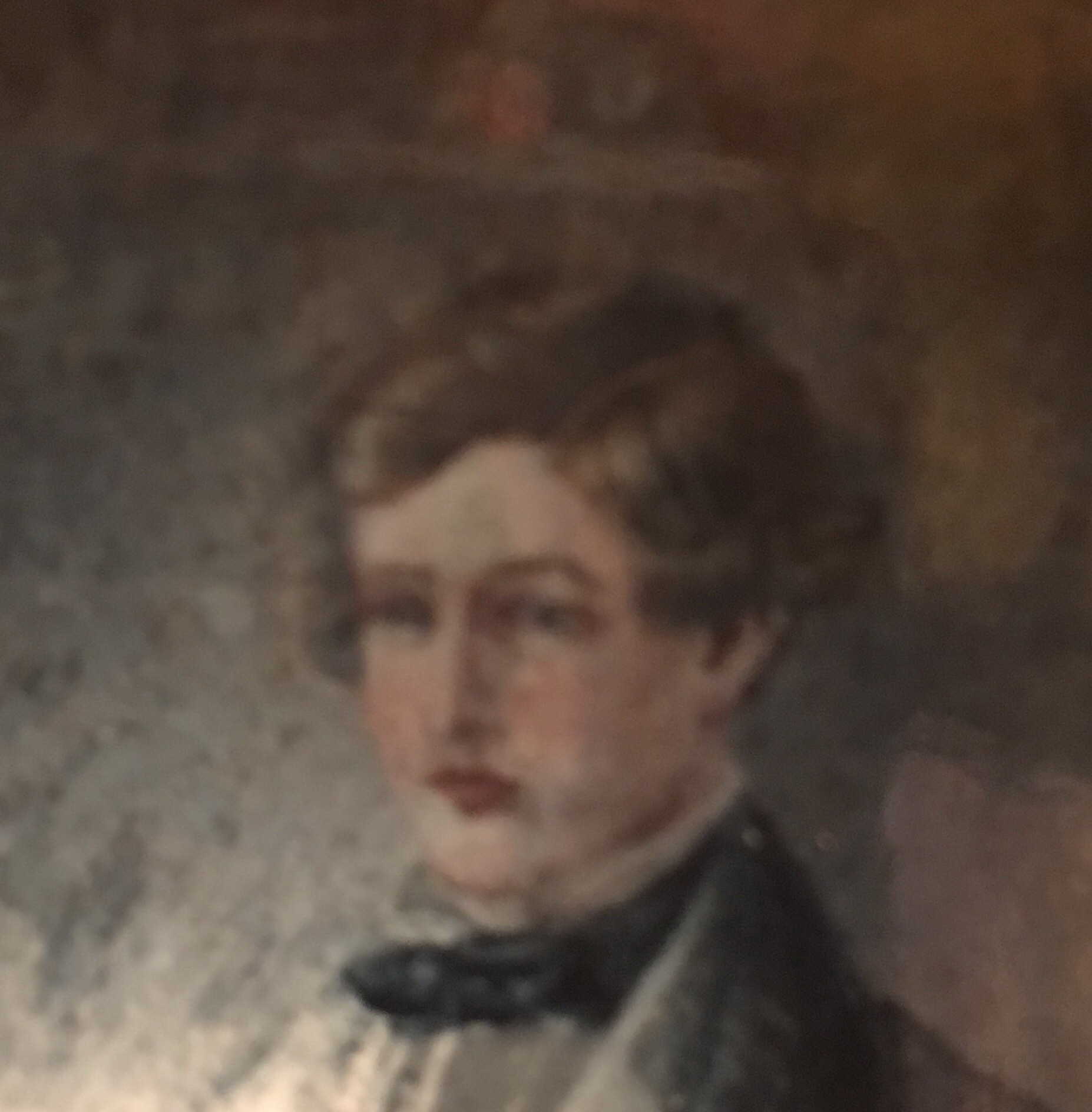 Peter Murdoch (1761-1786), fought in the American Wars of Independence. The Pedigree entry reads "Peter Murdoch, my eldest son, died a batchelor at Bolbeck, Normandy in France, having nearly attained the 25th year of his age, on the 3rd of June 1786. He was a Captn, in His Majestie's Land Forces in the late 74th & 77th Regiment of Foot".
 Later in the Volume, much coverage is given to a further Peter Murdoch (1795-1871). Whilst no mention is given to Peter's military career, family myth referred to him as the "Old Waterloo Gentleman". Clearly, the dates would suggest that fighting in the Napoleonic Conflict was very plausible and his latter life as a super intendent at a Penal Colony in New South Wales would also hint at him having been a Professional Soldier.
Whilst this site has been built primarily to record the work that has been carried out over the last 30 years, it also serves as a memorial for the men and women of this, and closely related families, who struggled and in some cases gave their lives in conflict. I hope that you will enjoy reading the narrative and hope that it may inspire you to follow your own journey of Your Family At War.
Alistair Murdoch
Edinburgh
2017